%2Ffit-in%2F250x250%2Fguide_websites%2F14071%2Fimages%2F1767163659567image.png&w=1920&q=100)
/users/cad6ea15-d87f-418f-82dc-ad3e98608956/ratecard/jacoboldenburgduchhunts4-mk3mvgl4.jpg)
%2F300x300%2Fusers%2Fcad6ea15-d87f-418f-82dc-ad3e98608956%2Fratecard%2Fjacoboldenburgduchhunts4-mk3mvgl4.jpg&w=256&q=75)
%2F300x300%2Fusers%2Fcad6ea15-d87f-418f-82dc-ad3e98608956%2Fimages%2Fcorpus-christi-fishing-tours-2991.jpg&w=256&q=75)
%2F300x300%2Fusers%2Fcad6ea15-d87f-418f-82dc-ad3e98608956%2Fimages%2Fcorpus-christi-redfish-fishing-boat-6611.png&w=256&q=75)
%2F300x300%2Fusers%2Fcad6ea15-d87f-418f-82dc-ad3e98608956%2Fimages%2Fcorpus-christi-redfish-catch-8528.png&w=256&q=75)
%2F300x300%2Fusers%2Fcad6ea15-d87f-418f-82dc-ad3e98608956%2Fimages%2Fblack-drum-corpus-christi-catch-7448.png&w=256&q=75)
%2F300x300%2Fusers%2Fcad6ea15-d87f-418f-82dc-ad3e98608956%2Fimages%2Ffishing-fun-corpus-christi-3464.jpg&w=256&q=75)
%2F300x300%2Fusers%2Fcad6ea15-d87f-418f-82dc-ad3e98608956%2Fimages%2Ffishing-adventure-texas-3499.jpg&w=256&q=75)
%2F300x300%2Fusers%2Fcad6ea15-d87f-418f-82dc-ad3e98608956%2Fimages%2Fspotted-weakfish-tx-3609.jpg&w=256&q=75)
%2F300x300%2Fusers%2Fcad6ea15-d87f-418f-82dc-ad3e98608956%2Fimages%2Fgrey-snapper-corpus-christi-3589.jpg&w=256&q=75)
%2F300x300%2Fusers%2Fcad6ea15-d87f-418f-82dc-ad3e98608956%2Fimages%2Ffishing-triumph-texas-2694.jpg&w=256&q=75)
%2F300x300%2Fusers%2Fcad6ea15-d87f-418f-82dc-ad3e98608956%2Fimages%2Flone-fisherman-texas-catch-2699.jpg&w=256&q=75)
Laguna Madre Duck Hunt Code 3 Guide Services
 Corpus Christi
What you will be catching:
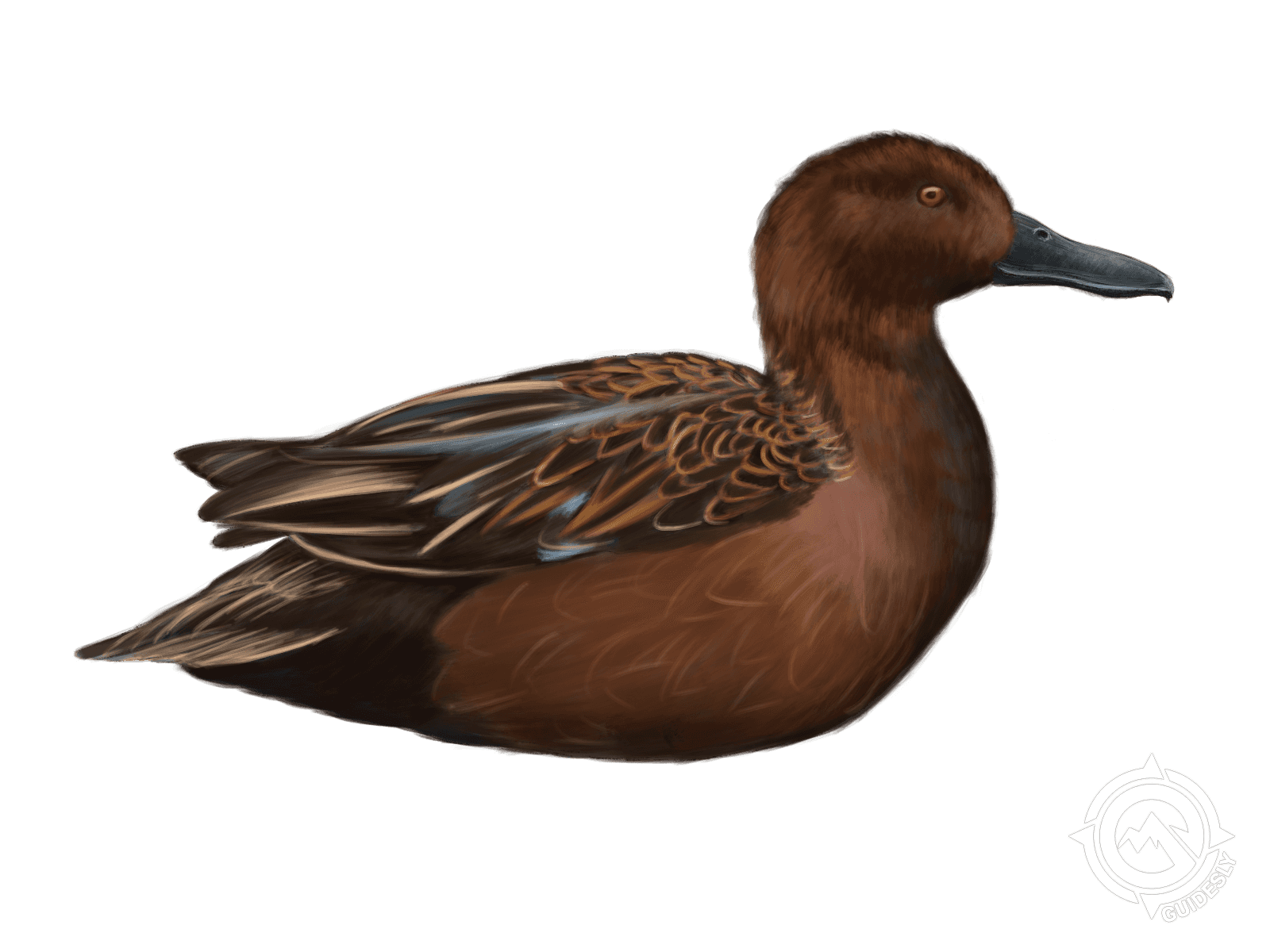
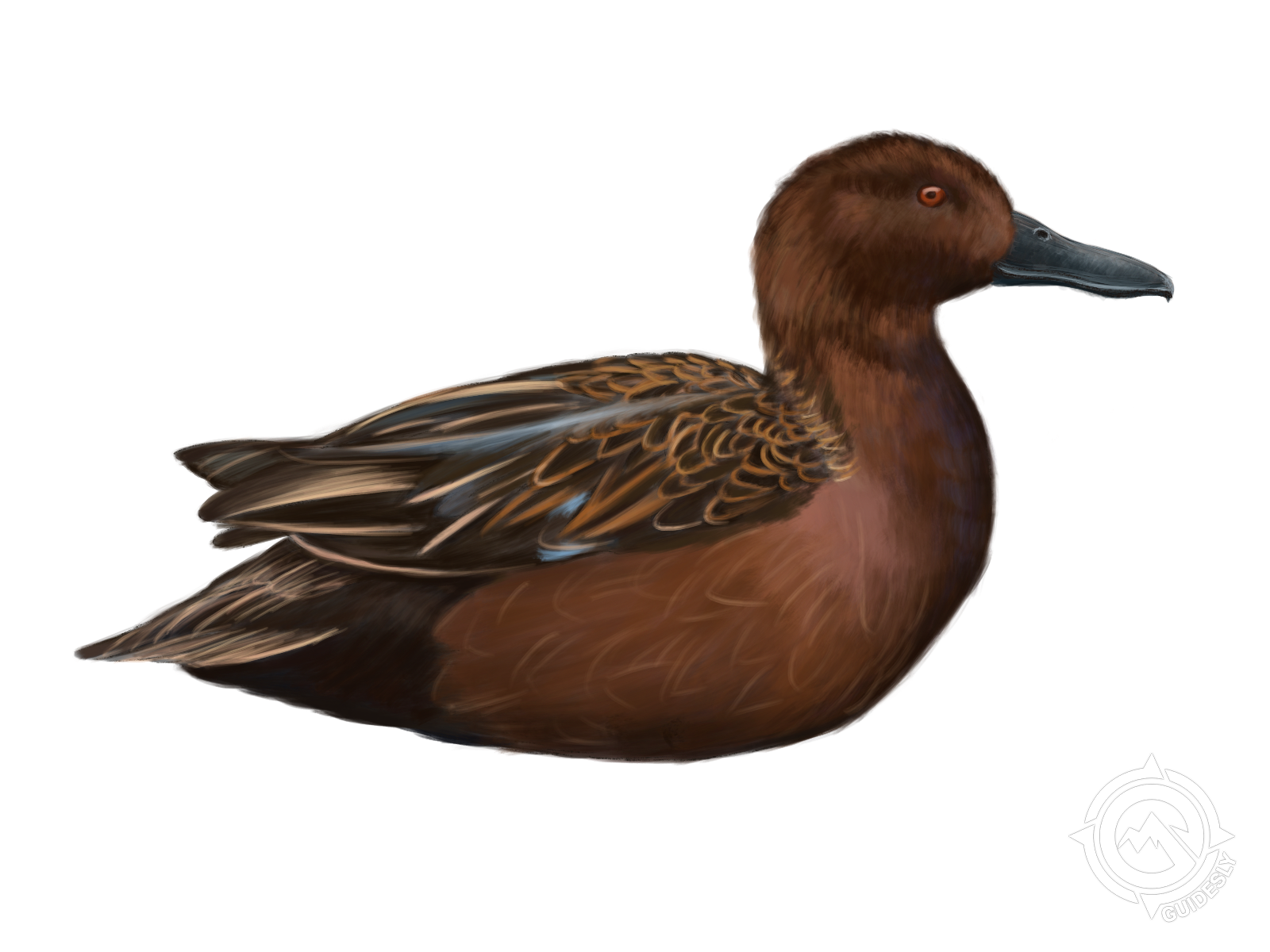 Cinnamon Teal
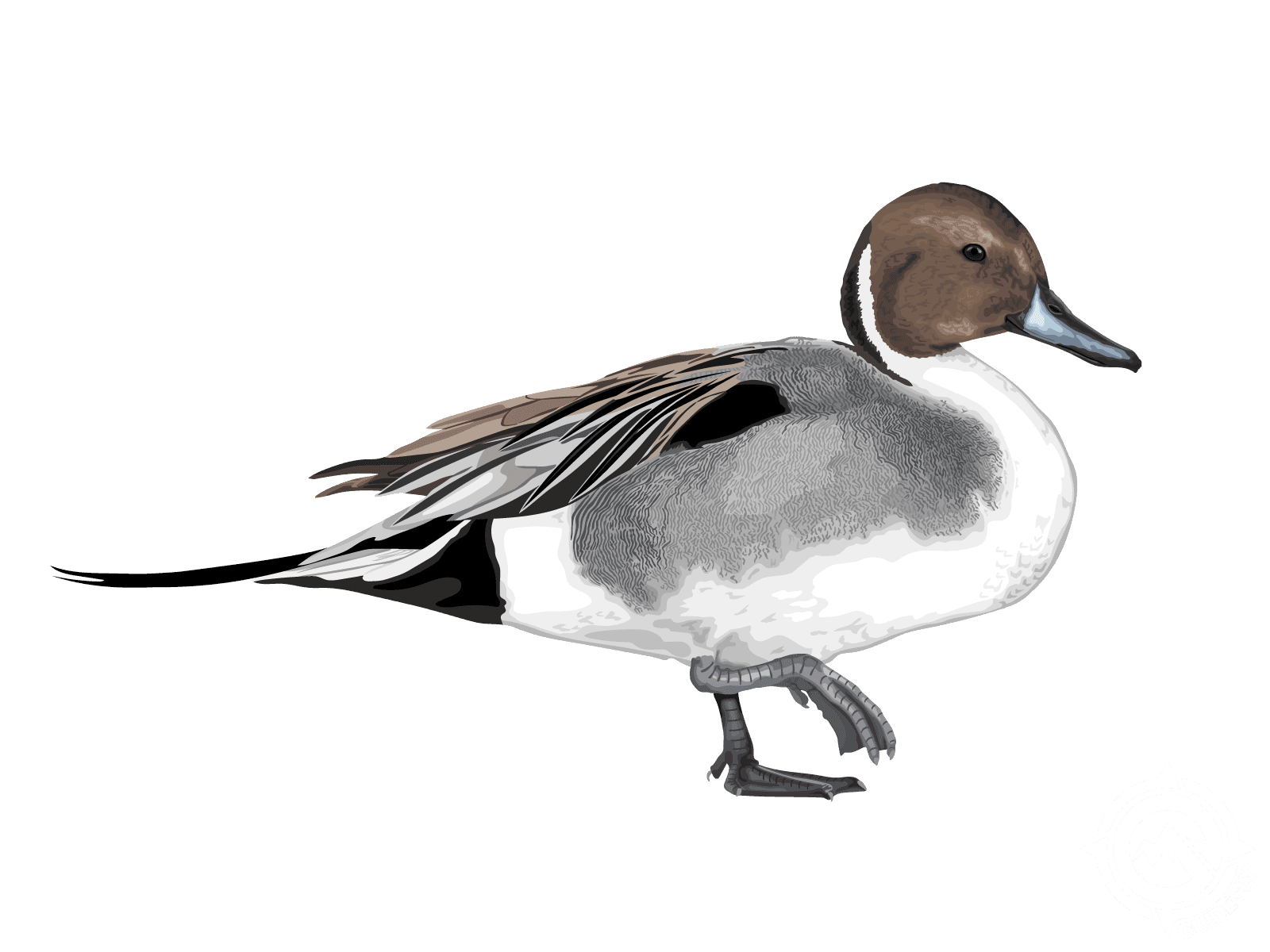
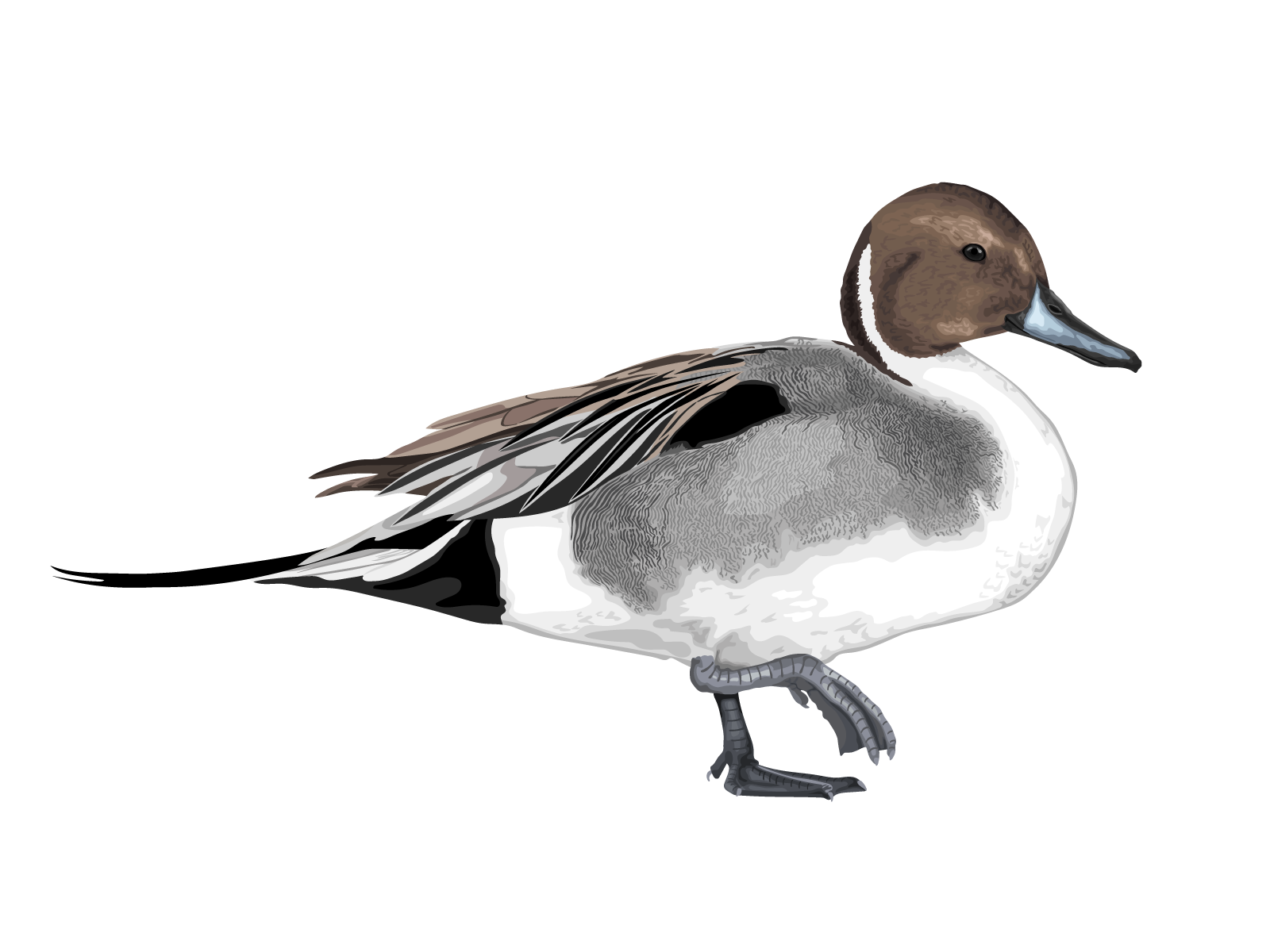 Northern Pintail
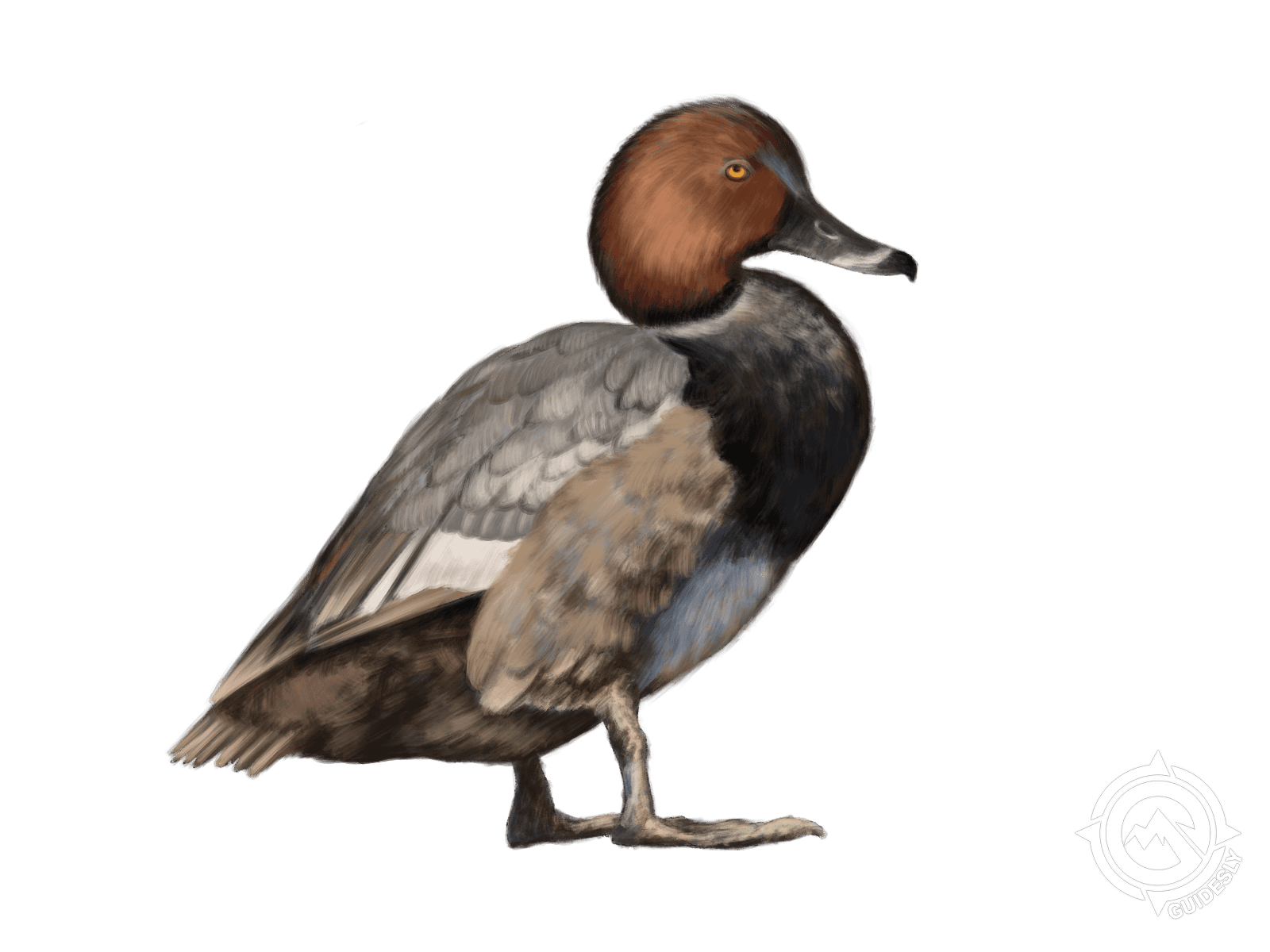
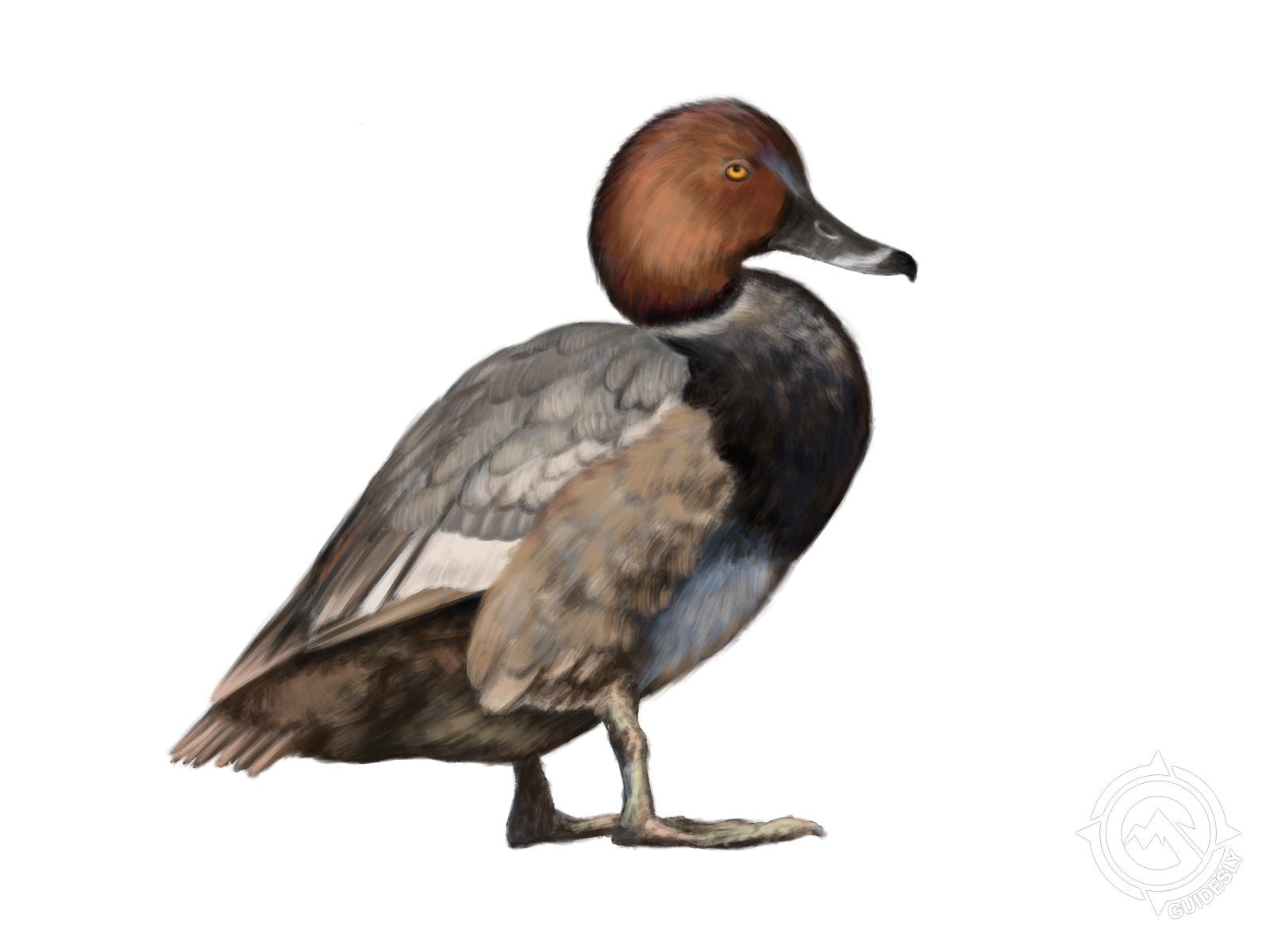 Redhead
- Expert-guided 4-hour morning duck hunts on private Laguna Madre waters
- Small groups of 2-4 hunters targeting Cinnamon Teal, Pintail, and Redhead species
- Professional guide handles setup and calling for $250 per hunter
Trip Pricing and Availabilities:
Morning Duck Hunt on Laguna Madre
Get ready to start your day right with Guide Jacob Oldenburg on the legendary waters of Laguna Madre. This top-rated morning duck hunting adventure puts you in prime position for some of Texas's best waterfowl action. We're talking 4 solid hours of hunting starting at first light – 6:00 AM sharp – when these birds are most active. You'll be targeting the big three: Cinnamon Teal, Northern Pintail, and Redhead ducks across private hunting grounds that most hunters only dream about. This isn't some crowded public marsh experience – we keep groups small with a maximum of 4 hunters, so you get the personal attention and prime shooting opportunities you deserve.
Inside the Hunt
Jacob knows these waters like the back of his hand, and it shows from the moment you meet up near Laguna Shores Road. The early start time isn't just for show – it's when the magic happens. As the sun starts creeping over the horizon, you'll already be set up in your blind watching flights of ducks work the shorelines and shallow flats. The private land access gives us a huge advantage over the weekend warriors hitting the public spots. We're talking about productive water that sees less pressure and holds more birds. The small group setup means you're not fighting for position or dealing with inexperienced hunters messing up your shots. Whether you book a shared hunt with other serious hunters or go private with your crew, Jacob makes sure everyone gets quality opportunities. The 4-hour window gives you plenty of time to work different areas as the birds move with changing light and wind conditions.
Tracking Tips & Terrain
Laguna Madre's shallow bay system creates perfect habitat for our target species, and Jacob's approach takes full advantage of the terrain. We're hunting from well-placed blinds that put you right in the flyways these ducks use daily. The key here is reading the birds – understanding how wind direction affects their flight patterns and where they prefer to land based on water levels and weather conditions. Jacob provides all the essential gear, but he'll also teach you how to read the subtle signs that separate successful hunters from guys who go home empty-handed. The decoy spreads are set up to look natural in these shallow waters, and positioning is everything when you're dealing with educated birds. You'll learn how different species respond to calling techniques and why timing your shots matters more than just having a fast trigger finger. The private land access means we can move to different spots if needed, following the birds rather than hoping they come to us.
Target Game Breakdown
Cinnamon Teal are absolute gems to hunt in this system. These smaller ducks are incredibly agile fliers, making them a real test of your shooting skills. They prefer the shallow, marshy areas where aquatic vegetation is thick, and they're most active during early morning hours. What makes them special is their beautiful cinnamon-colored plumage on the males and their habit of flying in tight formations that can appear and disappear in seconds. They're excellent table fare too – sweet, tender meat that's perfect for the grill. Peak season runs from September through November, but the best action happens when weather fronts push new birds into the area.
Northern Pintail bring a different challenge altogether. These are larger, more elegant ducks with distinctive long necks and pointed tails that make them easy to identify in flight. They're fast fliers that like to circle decoy spreads multiple times before committing, which means patience and good calling are essential. Pintails respond well to feeding calls and tend to work the edges of shallow bays where they can tip up to feed on submerged vegetation. The drakes have stunning breeding plumage with chocolate-brown heads and bright white breast stripes. They're considered one of the premier waterfowl species, and for good reason – they're smart, beautiful, and provide excellent eating. Early season birds are typically local residents, but as winter approaches, you get migrants from up north.
Redhead ducks are the diving duck specialists that make Laguna Madre famous among serious waterfowlers. These chunky, powerful ducks prefer deeper water areas where they can dive for their food, mainly aquatic vegetation and small crustaceans. The males have that distinctive bright red head and black chest that's unmistakable, while females sport a more subdued brown coloration. They're notorious for being decoy-shy and often require larger spreads to convince them to work your setup. When they do commit, though, they come in fast and low, providing some heart-pumping shooting opportunities. Redheads are late-season specialists, with peak numbers typically showing up from December through February when northern waters freeze up.
Book Your Next Tag
At $250 per hunter, this world-class duck hunting experience delivers serious value for the quality of hunting Jacob provides. The combination of private land access, expert guiding, and productive waters makes this a customer favorite among hunters who know the difference between average and exceptional. Remember that Jacob requires a minimum of 2 hunters and caps groups at 4, so spots fill up fast during peak season. The 7-day cancellation policy means you need to be serious about your dates, but that's what keeps this operation running smoothly for everyone. Whether you're looking to introduce someone new to waterfowl hunting or you're a seasoned hunter wanting to experience some of Texas's best duck hunting, this morning hunt on Laguna Madre checks all the boxes. Don't wait until the season's in full swing – book your dates now and get ready for some memorable mornings on the water.
Learn more about the animals
Cinnamon Teal
Cinnamon Teal are smaller, fast-flying ducks that favor our shallow, muddy areas loaded with vegetation. These birds typically weigh just over a pound and love working the protected backwaters and marshy edges where they dabble for seeds and aquatic insects. The males sport that rich cinnamon color during breeding season that gives them their name. They're most active during our fall migration from September into November, though some stick around all winter. What makes teal hunting special is their speed - they come in fast and low, testing your reflexes. They also tend to travel in larger groups than other ducks. The secret with teal is using a fast teal call and keeping your shots quick. They don't give you much time to think. Teal make excellent eating and their unpredictable flight patterns keep even experienced hunters on their toes.
Northern Pintail
Northern Pintails are elegant, long-necked ducks that really shine in our shallow marsh areas around Laguna Madre. These birds love working the grass flats and mud bottoms in 6 inches to 3 feet of water where they tip up to feed on seeds and small invertebrates. Drakes show off those signature long tail feathers and clean white breast during hunting season. They're quick, agile fliers that can change direction fast, making them a fun challenge. Best hunting happens from October through January when northern birds migrate through. Pintails are smart - they'll flare at the slightest movement. The trick is keeping your blind low and using lots of teal decoys mixed in. They often follow teal into the decoys. These birds provide good eating and their wariness makes every bird earned feel like a real accomplishment.
Redhead
Redheads are solid medium-sized diving ducks that show up strong in Laguna Madre during winter months. These birds prefer deeper water than most ducks, usually working 4-8 feet deep where they dive for aquatic plants and small shellfish. The drakes have that distinctive rusty-red head that makes them easy to spot. They're heavy-bodied birds, around 2-3 pounds, and fly in tight flocks. Peak season runs November through February when northern birds join our year-round residents. Hunters love them because they decoy well and provide excellent table fare - some say the best eating duck in Texas. The key is setting your spread in deeper potholes and channels. Redheads commit hard once they decide to work your decoys, but patience pays off since they often circle a few times before dropping in.