%2Ffit-in%2F250x250%2Fguide_websites%2F14071%2Fimages%2F1767163659567image.png&w=1920&q=100)
/users/cad6ea15-d87f-418f-82dc-ad3e98608956/ratecard/769783f9-3632-4110-ae85-4592ed0d988a.jpg)
%2F300x300%2Fusers%2Fcad6ea15-d87f-418f-82dc-ad3e98608956%2Fratecard%2F769783f9-3632-4110-ae85-4592ed0d988a.jpg&w=256&q=75)
%2F300x300%2Fusers%2Fcad6ea15-d87f-418f-82dc-ad3e98608956%2Fimages%2Fcorpus-christi-redfish-fishing-boat-6611.png&w=256&q=75)
%2F300x300%2Fusers%2Fcad6ea15-d87f-418f-82dc-ad3e98608956%2Fimages%2Fcorpus-christi-redfish-catch-8528.png&w=256&q=75)
%2F300x300%2Fusers%2Fcad6ea15-d87f-418f-82dc-ad3e98608956%2Fimages%2Fblack-drum-corpus-christi-catch-7448.png&w=256&q=75)
%2F300x300%2Fusers%2Fcad6ea15-d87f-418f-82dc-ad3e98608956%2Fimages%2Ffishing-fun-corpus-christi-3464.jpg&w=256&q=75)
%2F300x300%2Fusers%2Fcad6ea15-d87f-418f-82dc-ad3e98608956%2Fimages%2Ffishing-adventure-texas-3499.jpg&w=256&q=75)
%2F300x300%2Fusers%2Fcad6ea15-d87f-418f-82dc-ad3e98608956%2Fimages%2Fspotted-weakfish-tx-3609.jpg&w=256&q=75)
%2F300x300%2Fusers%2Fcad6ea15-d87f-418f-82dc-ad3e98608956%2Fimages%2Fgrey-snapper-corpus-christi-3589.jpg&w=256&q=75)
%2F300x300%2Fusers%2Fcad6ea15-d87f-418f-82dc-ad3e98608956%2Fimages%2Ffishing-triumph-texas-2694.jpg&w=256&q=75)
%2F300x300%2Fusers%2Fcad6ea15-d87f-418f-82dc-ad3e98608956%2Fimages%2Flone-fisherman-texas-catch-2699.jpg&w=256&q=75)
%2F300x300%2Fusers%2Fcad6ea15-d87f-418f-82dc-ad3e98608956%2Fimages%2Fanglers-reel-fun-texas-3443.jpg&w=256&q=75)
Corpus Christi Wade Fishing Flats Code 3 Guides
 Corpus Christi
What you will be catching:
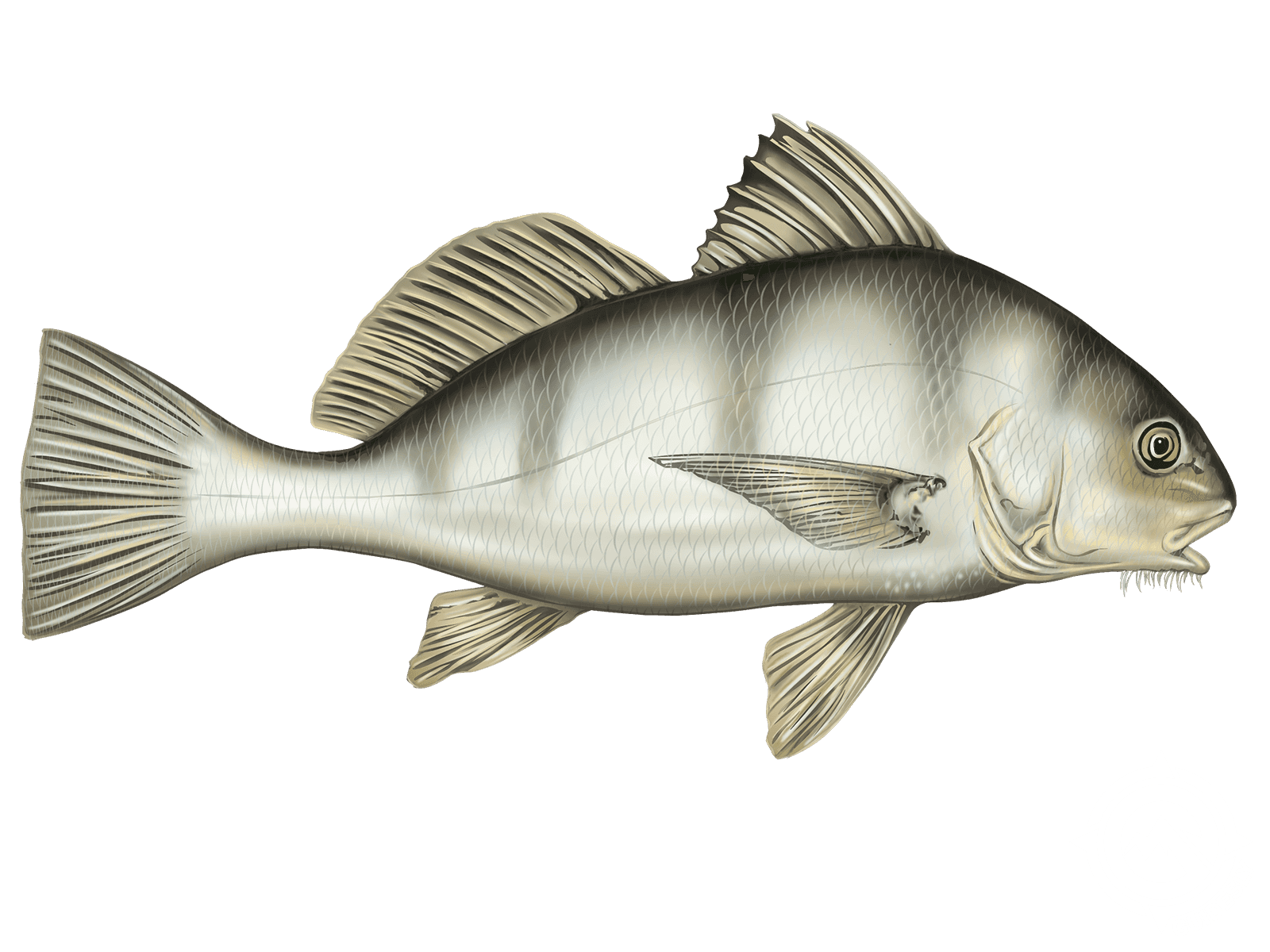
 Black Drum
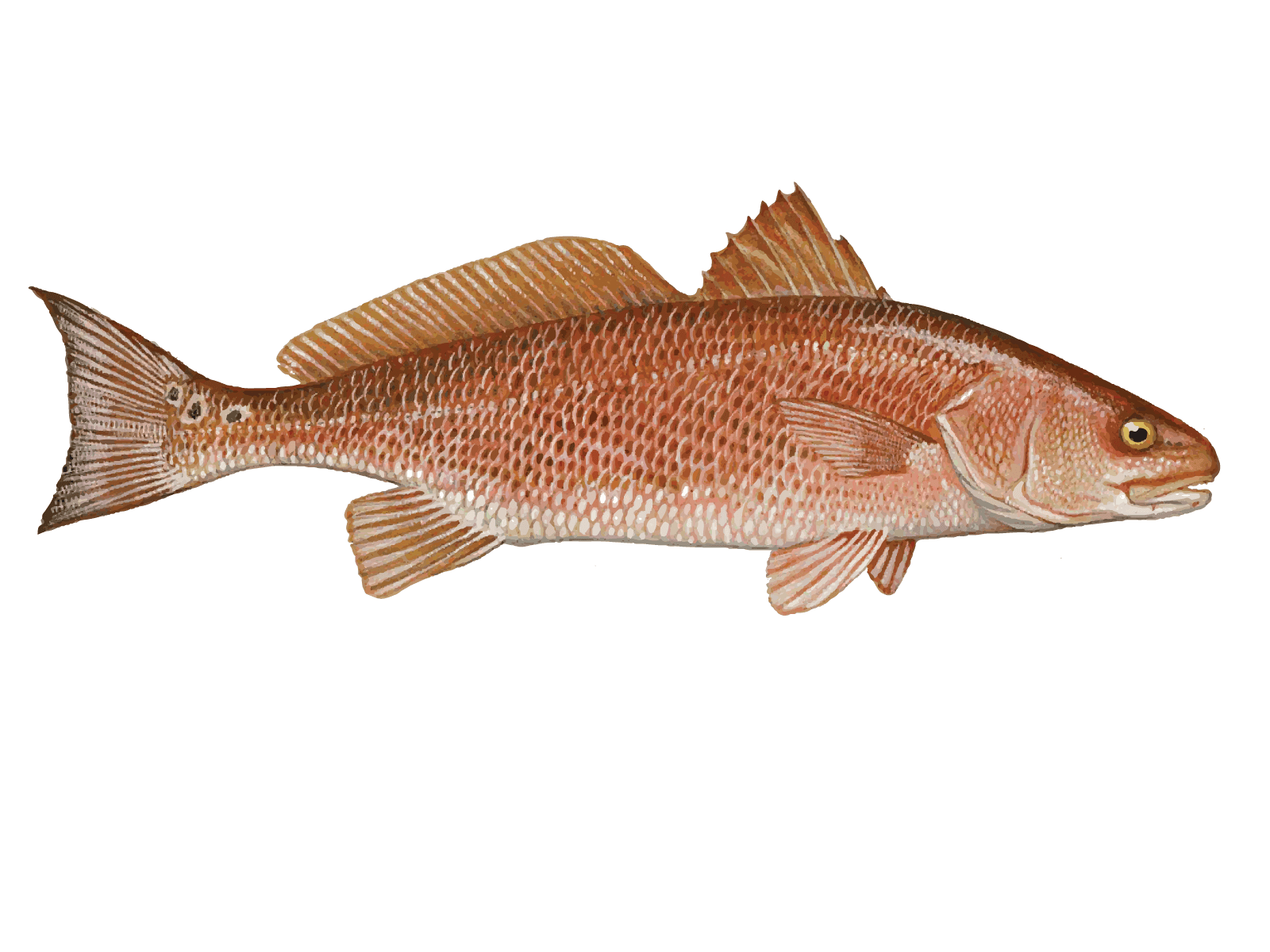
 Redfish
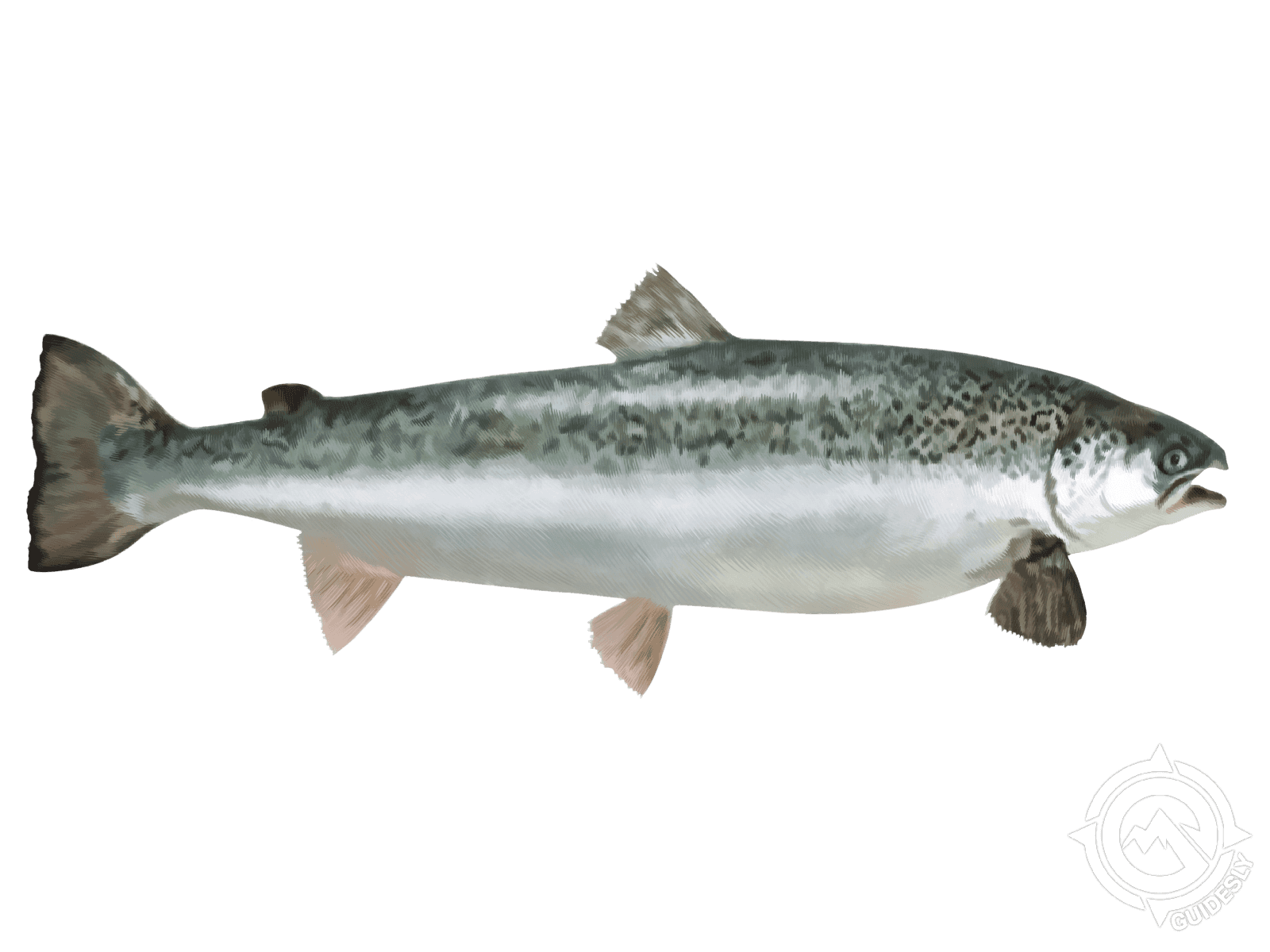
 Sea Trout
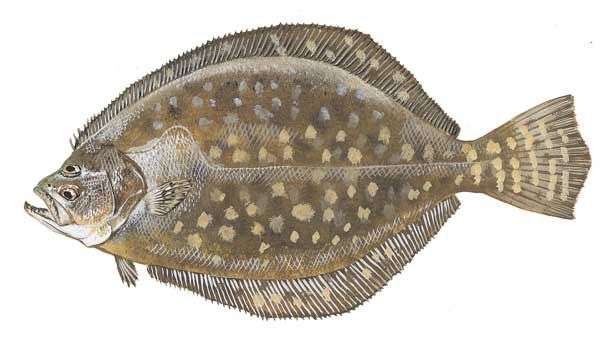
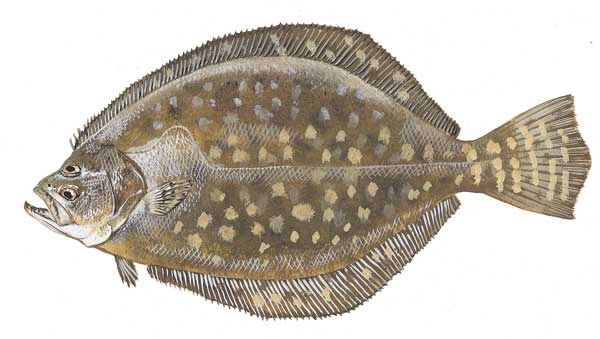 Southern Flounder
- Wade fishing in shallow Corpus Christi flats targeting redfish, trout, flounder
- Small group experience with personalized attention from Code 3 Guide Services
- Sight-fishing opportunities in crystal-clear waters away from crowded areas
Trip Pricing and Availabilities:
Corpus Christi Wade Fishing Trip
Step into the shallow waters of Corpus Christi Bay and discover why wade fishing is the purest way to connect with these flats. Our top-rated wade fishing charters put you right in the action, walking through knee-deep water where redfish cruise the grass beds and speckled trout ambush baitfish along the drop-offs. With just you and one other angler, this intimate fishing experience lets you cover prime spots without the noise and commotion of bigger boats. Bring your favorite rod and tackle – there's nothing like using gear you trust when that bull red makes its first run. These crystal-clear shallows hold some of the Gulf Coast's best fishing, and we'll show you exactly where to find it.
What to Expect on the Water
Your wade fishing adventure starts early when the water's still cool and the fish are actively feeding. We'll motor out to productive flats where the water runs 18 to 36 inches deep – perfect wading depth that keeps you comfortable while giving fish plenty of room to move. The beauty of wade fishing is the stealth factor; you're not making boat noise or casting shadows that spook fish. Instead, you're moving quietly through their world, reading the water like they do. Expect to cover different types of bottom throughout the day – from soft sand pockets where flounder bury themselves to shell reefs where black drum root around for crabs. The Corpus Christi bay system offers incredible variety within just a few miles of water. You'll learn to spot nervous water from feeding fish, identify productive grass lines, and understand how tide movement concentrates baitfish in specific areas.
Techniques & Tackle Tips
Wade fishing success comes down to reading water and presenting lures naturally. We fish mostly artificial baits here – soft plastics rigged on jigheads work great for everything from trout to redfish. A 1/8-ounce jighead with a four-inch paddle tail is hard to beat when fish are scattered. For sight fishing, topwater plugs create explosive strikes, especially when reds are tailing in skinny water. Your tackle needs to handle everything from 14-inch trout to 30-pound redfish, so a medium-action rod with good backbone serves you well. Braided line gives you the sensitivity to feel light bites and the strength to turn big fish away from structure. Wading gear is crucial – good flats boots protect your feet from shells and stingrays while giving you solid footing on slippery grass. Polarized sunglasses aren't optional; they're your window into the underwater world. Without them, you're fishing blind. A small tackle box or waist pack keeps essentials within reach while leaving your hands free to fish.
Species You'll Want to Hook
Southern Flounder are the masters of camouflage in these flats, burying themselves in sandy pockets near grass edges where they ambush passing baitfish. These flatfish typically run 16 to 22 inches here, with some doormat-sized specimens pushing 25 inches or more. Fall months bring the best flounder action as they stage for their offshore spawning migration. What makes flounder so rewarding is the hunt – you're sight fishing for fish that are nearly invisible until they move. The strike often feels like you've snagged bottom until that "bottom" starts pulling back. They fight dirty too, using their flat profile to plane through the water like a dinner plate.
Black Drum cruise these flats in schools, using their powerful pharyngeal teeth to crush shellfish and crabs. You'll find them in 20 to 40-pound sizes, with some true giants exceeding 50 pounds. These copper-colored bruisers love hard bottom areas where oyster shells and structure hold their favorite foods. The key is getting your bait down to their level since they're bottom feeders by nature. When a big drum takes your jig, there's no mistaking it – they pull like freight trains and use their bulk to test every component of your tackle. Spring and fall offer the most consistent drum fishing as water temperatures hit their comfort zone.
Sea Trout, or "specks" as locals call them, are the bread and butter of Corpus Christi wade fishing. These beautiful spotted fish typically range from 14 to 20 inches, with trophy specimens reaching 25 inches or better. They're structure-oriented, holding near grass beds, shell pads, and drop-offs where they can ambush shrimp and small fish. Specks are incredibly aggressive when conditions are right, often competing with each other for your lure. They're also one of the best eating fish in the bay, with firm white meat that's perfect for the dinner table. Look for them in slightly deeper pockets during summer heat and shallow grass beds during cooler months.
Redfish are the crown jewel of Texas flats fishing, and Corpus Christi's shallow waters are legendary redfish habitat. These bronze-backed fighters range from 22 to 30 inches in the slot limit, though you'll encounter both smaller "rat reds" and oversized bull reds that exceed 40 inches. What makes reds special is their willingness to feed in skinny water where you can sight cast to individual fish. Watching a red slowly cruise a grass bed, then turn to eat your lure is pure fishing magic. They're incredibly strong fighters that make multiple runs and use their broad tails to generate serious power. Reds feed year-round in these waters, but fall brings some of the most exciting shallow-water action as they pack up in schools.
Time to Book Your Spot
This wade fishing charter offers something you can't get on bigger boats – a genuine connection to the water and fish. With only two anglers per trip, you'll get personalized instruction, access to the best spots, and plenty of opportunities to improve your flats fishing skills. These Corpus Christi waters produce fish year-round, but each season brings different opportunities and challenges that keep every trip interesting. Whether you're new to
Learn more about the animals
Black Drum
Black drum are the heavyweights of our shallow waters, ranging from schoolie 5-pounders up to 30+ pound brutes that'll test your gear. These bottom-feeders love oyster reefs, mudflats, and creek mouths in 3-8 feet of water. Spring is your best bet when they school up for spawning - you can actually hear them drumming underwater. They're tough fighters that make long, powerful runs and don't give up easy. The smaller ones under 15 pounds are excellent table fare with firm, white meat. Bigger fish are better released since the meat gets tough. My local trick: fresh blue crab on a knocker rig fished right on the bottom. Don't set the hook too quick - let them really take it and start moving before you lean into them. Their mouths are hard as rocks.
Redfish
Redfish are the crown jewel of our flats, ranging from slot-size 20-28 inchers up to bull reds over 40 inches. These copper-colored fighters cruise super shallow water - sometimes with their backs exposed - around oyster bars, grass beds, and muddy shorelines. They're here year-round, but fall brings the best action when they school up. What makes reds special is their aggressive strikes and bulldogging fights that'll wear you out. Plus, slot fish are fantastic eating with mild, firm meat. The sight-fishing aspect gets people hooked - watching a red inhale your lure in inches of water never gets old. Local secret: throw gold spoons or topwater plugs early morning around shell bars. When you see them tailing, cast past the fish and work your lure back through their path. They spook easily in skinny water.
Sea Trout
Speckled trout are year-round favorites here, running 14-24 inches with occasional 5+ pounders that make your day. They love grass flats, drop-offs, and deeper holes during temperature swings. These fish are most active in low light - early morning, late evening, and overcast days. Spring and fall offer the most consistent action when water temps are in the sweet spot. What draws folks to specks is their willingness to hit topwater lures and their excellent table fare - white, flaky meat that's hard to beat. They're also great on light tackle, making every fish feel bigger. Pro tip: work soft plastics slow along grass edges, especially on moving water. When the bite gets tough, downsize your lure and slow way down. They're spooky in clear, shallow water.
Southern Flounder
These flatfish are masters of disguise, burying themselves in sandy and muddy bottoms where they ambush prey like shrimp and small baitfish. You'll typically find them in 2-6 feet of water around grass flats, channel edges, and drop-offs. Most run 15-18 inches, but we see plenty in the 20+ range that really put up a fight. Fall and winter are prime time when they're fattening up before heading offshore to spawn. What makes flounder fishing so rewarding is the challenge - they're incredibly good at camouflage and require patience. The meat is absolutely fantastic, white and flaky. My go-to tip: use a slow drift with live shrimp on a Carolina rig, and when you feel that subtle tap, count to three before setting the hook. They like to grab bait sideways first.
About the Dargel Skout 240
%2F%2Fusers%2Fcad6ea15-d87f-418f-82dc-ad3e98608956%2Fvehicle_picture%2F26351808-e7b2-4a29-86e3-74fb46108476.jpg&w=1920&q=75)
Vehicle Guest Capacity: 6
Manufacturer Name: Suzuki
Maximum Cruising Speed: 40
Number of Engines: 1
Horsepower per Engine: 300